


Dear Parents, Colleagues, and Friends,
1. Current Observations
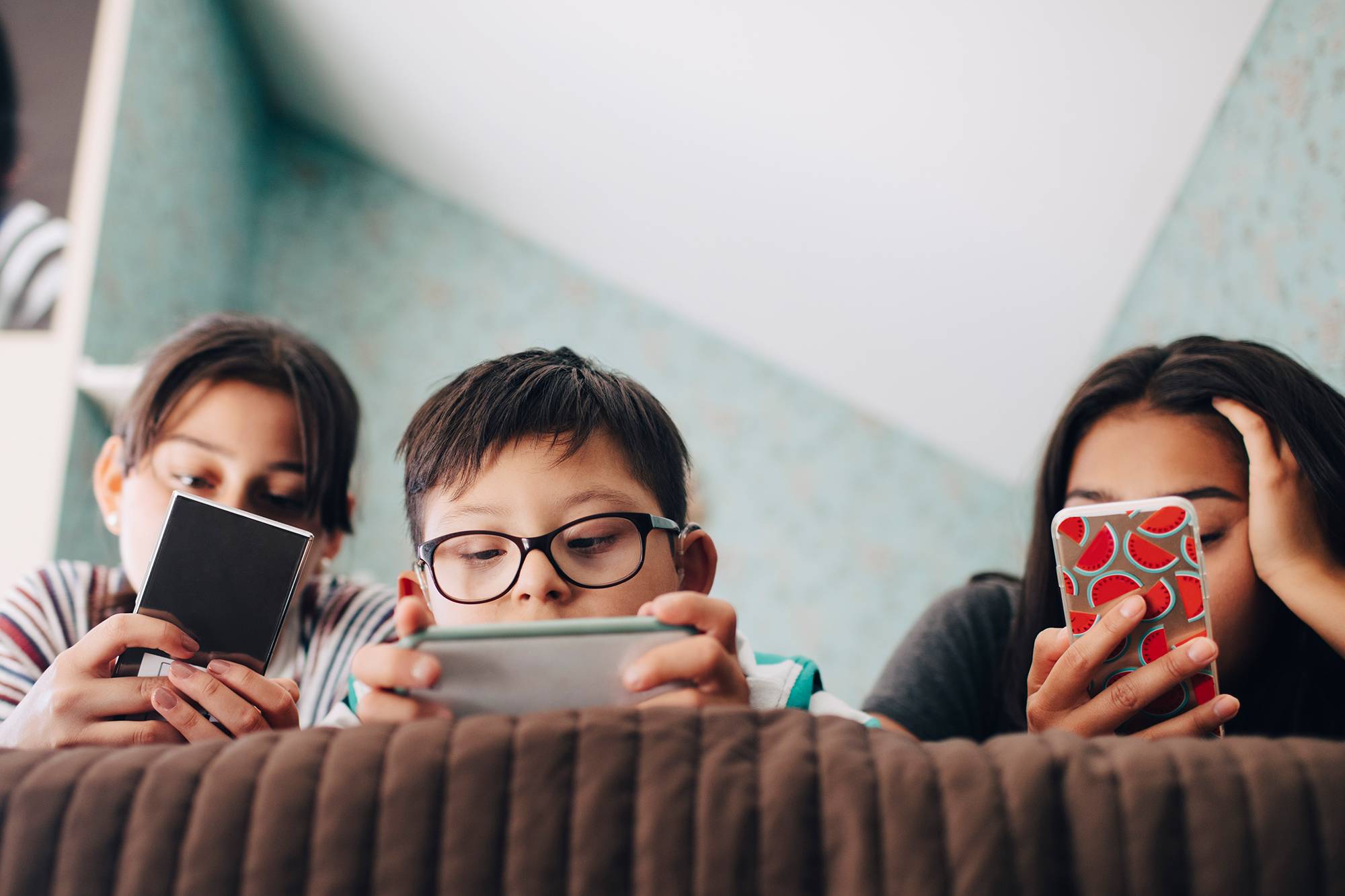
In Hong Kong, more than 60% of primary school students spend over two hours daily on electronic entertainment, and the figure rises to 80% among secondary students. Worryingly, many children are exposed to screens before their first birthday. In kindergartens, we often see parents using phones or tablets as “electronic pacifiers”—a quick fix to stop crying, but one that deprives children of opportunities to express themselves and learn emotional regulation.
2. The Impact of Addiction
Addiction is not simply “playing too long.” Research shows that excessive screen use affects attention, language development, and increases risks of obesity and behavioral problems. More importantly, addiction serves both “reward” and “escape” functions: children gain pleasure from games while avoiding unpleasant realities. This is why time limits alone are rarely effective.
3. Understanding the Mechanism
Addiction is not laziness or weak willpower, but the result of intertwined biological, psychological, and social factors. The brain’s dopamine system is strongly stimulated by winning games or receiving social “likes,” gradually requiring greater stimulation to achieve the same pleasure. When children lack the psychological nutrients of autonomy, competence, and relatedness in real life, they are more likely to depend on screens.
4. The Root Influence of Family Environment
In early childhood, addiction is inevitably shaped by family environment:
-
Parental Modeling: Children’s habits mirror parents’ screen use.
-
Lack of Companionship: Economic pressure or long working hours leave parents exhausted, making devices the easiest “caretaker.”
-
Parenting Style: Harsh discipline or reliance on “electronic pacifiers” drives children to escape into screens.
-
Absence of Rules: Without clear guidelines, children fail to develop self-regulation.
5. The Pros and Cons of Digital Teaching and Short Videos
As educators, we must honestly face the double-edged impact of digital teaching:
-
Short Videos: Long-term overuse of TikTok, Reels, or Shorts alters the brain’s reward system, leading to attention decline—often called “TikTok brain.” Yet short videos also provide convenience in information sharing and new business opportunities.
-
Generational Warning: Studies show Generation Z has regressed in attention, memory, reading comprehension, and problem-solving, partly due to overreliance on tablets and educational apps.
-
International Trends: Sweden, Finland, and Denmark have returned to printed textbooks, recognizing that digital teaching, while convenient, weakens deep thinking.
-
Global Data: The U.S. “National Report Card” and studies from 80 countries reveal declines in math, reading, and cognitive skills. Excessive screen use during school hours is a key underlying factor.
6. Reflections on Civilization and Technology
Technology is a double-edged sword. It offers convenience and new learning methods, but without guidance, it erodes focus and deep thinking. True progress in civilization is not just about updated tools, but about growth in mind, values, and social interaction. If technology robs children of face-to-face communication and real-life fulfillment, it brings regression, not advancement.
7. Strategies for Home-School Collaboration
The core of prevention is ensuring children find satisfaction in the real world:
-
Relatedness: Genuine human interaction—hugs, eye contact, immediate responses—builds security and emotional regulation.
-
Competence: Transfer game-like tasks to real life. Parents can create “mission boards” for chores, while schools assign leadership roles to help children feel capable and contributive.
-
Autonomy: Establish rules together with children. Parents should model reduced screen use, and schools should teach digital literacy to foster self-regulation.
8. Conclusion and Call to Action
Years of observation show that family environment and caregiving pressures are the roots of addiction. Prevention is not about “time limits” alone, but about providing autonomy, competence, and relatedness in real life. With home and school working hand in hand, balancing digital teaching with authentic interaction, children can discover joy, belonging, and growth in the real world.
Tin King Estate Baptist Lui Kwok Pat Fong Kindergarten
Principal
Mang Yi Chan