On National Security Education Day, many people may assume that discussions will focus mainly on legal or social issues. However, for young children in kindergarten, national security can be introduced in a much more everyday and gentle way—by starting with language and culture, and allowing these values to gradually take root in their hearts.
Among the twenty key areas of national security, one is known as cultural security. This reminds us that culture is not merely performance or traditional customs, but the foundation of a nation’s identity, values, and sense of belonging. For children who are still growing, early exposure to and identification with their local language and culture is a crucial step in shaping their sense of self.
Guided by this belief, many kindergartens actively promote Cantonese opera, enabling children to draw closer to the Cantonese language in their daily learning while experiencing the profound richness of Chinese culture.
Why Cantonese Opera?
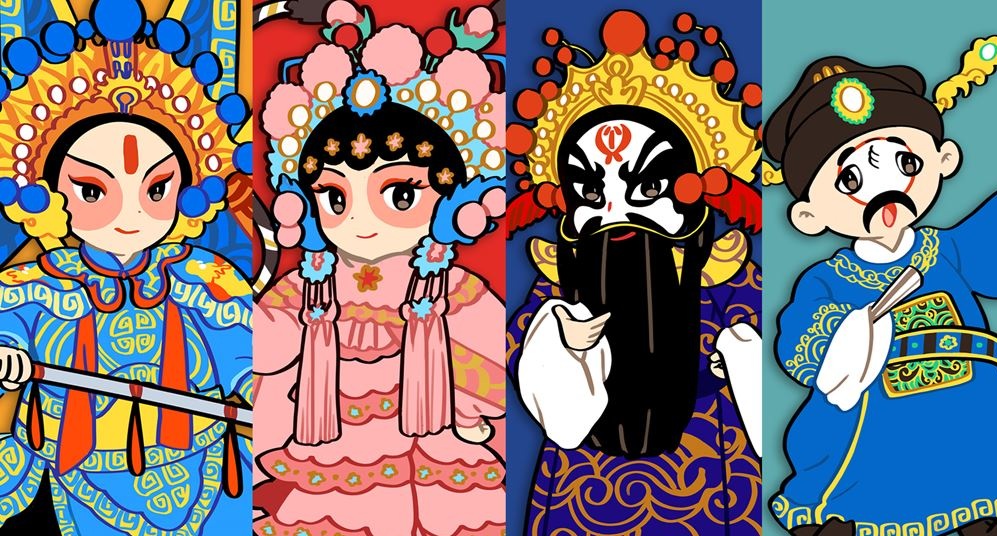
Cantonese opera is a form of intangible cultural heritage in Hong Kong. Performed in Cantonese, it brings together music, movement, visual arts, and storytelling, making it an art form that is both rich and highly educational. When children observe and experience Cantonese opera, they are able to:
Listen to the natural, graceful, and layered Cantonese vocal styles
Observe characters’ movements, gestures, and facial expressions
Engage with the symbolic meaning of costumes and colours
Feel the emotions and values conveyed through the stories
These experiences do not require children to understand complex content. Instead, through watching, listening, imitation, and emotional engagement, they gradually develop familiarity with—and affection for—Cantonese and local culture.
Protecting Cantonese Is Also Protecting Cultural Security
In a diverse and open society, children will encounter different languages and cultures, which is something positive. At the same time, it is equally important for children to know where they come from and where they belong. When children naturally use Cantonese, appreciate Cantonese opera, and form connections with local culture, this stable and positive sense of identity becomes the most important cornerstone of cultural security.
Safeguarding culture through arts education is not merely a slogan, but a daily and lived practice. When a child sings a line of a Cantonese opera melody, puts on a costume, or remembers a joyful cultural experience at school, local culture has already quietly taken root in their heart.
Making Cultural Education Part of Children’s Growth
The best form of national security education is not preaching, but companionship and nurturing. Let us work together to protect the cultural soil that belongs to our children, so that from kindergarten onwards, through Cantonese opera—an art form that is warm and full of vitality—they can affirm the roots of Chinese culture, cherish their identity as Hong Kong people who speak Cantonese, cultivate confidence and a sense of belonging as Chinese citizens, and build solid and lasting foundations in language, culture, and emotional identity.